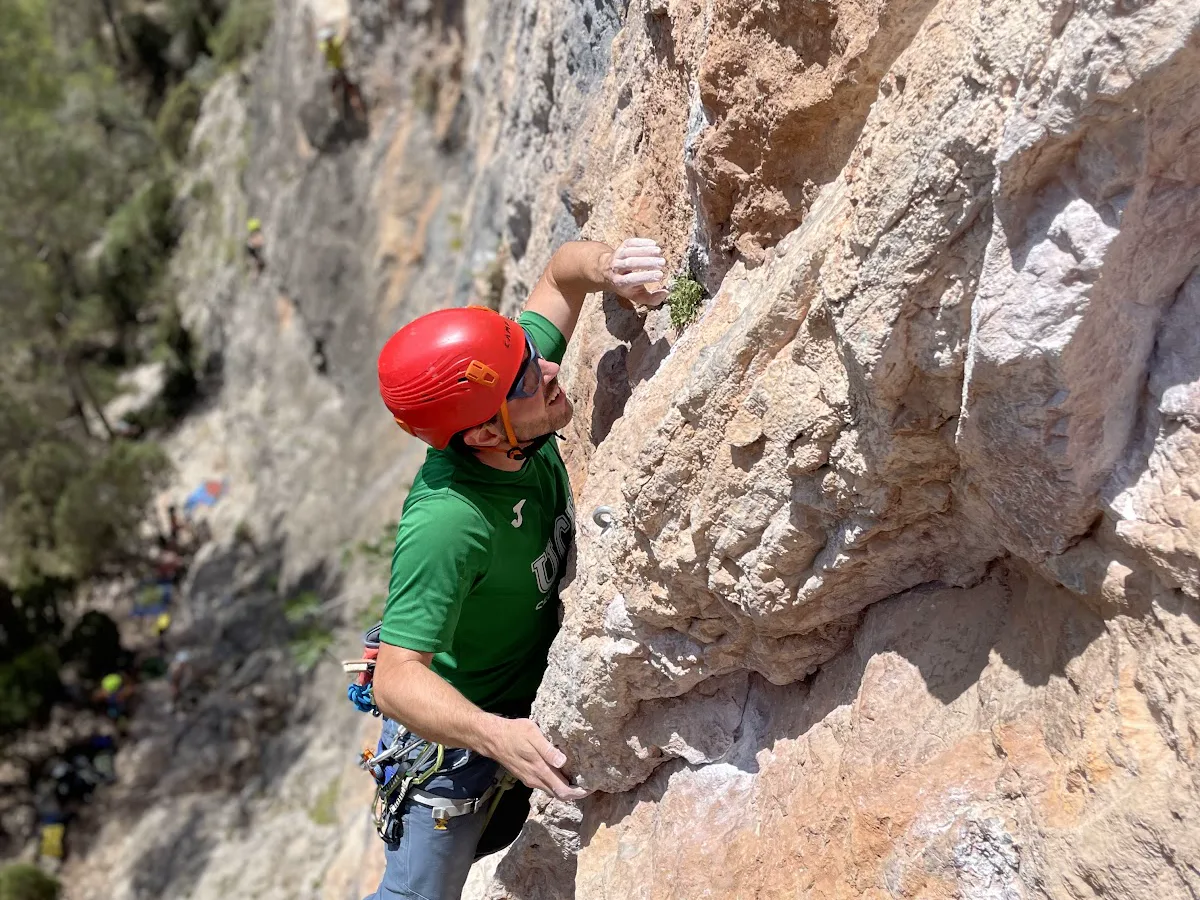
What you will do
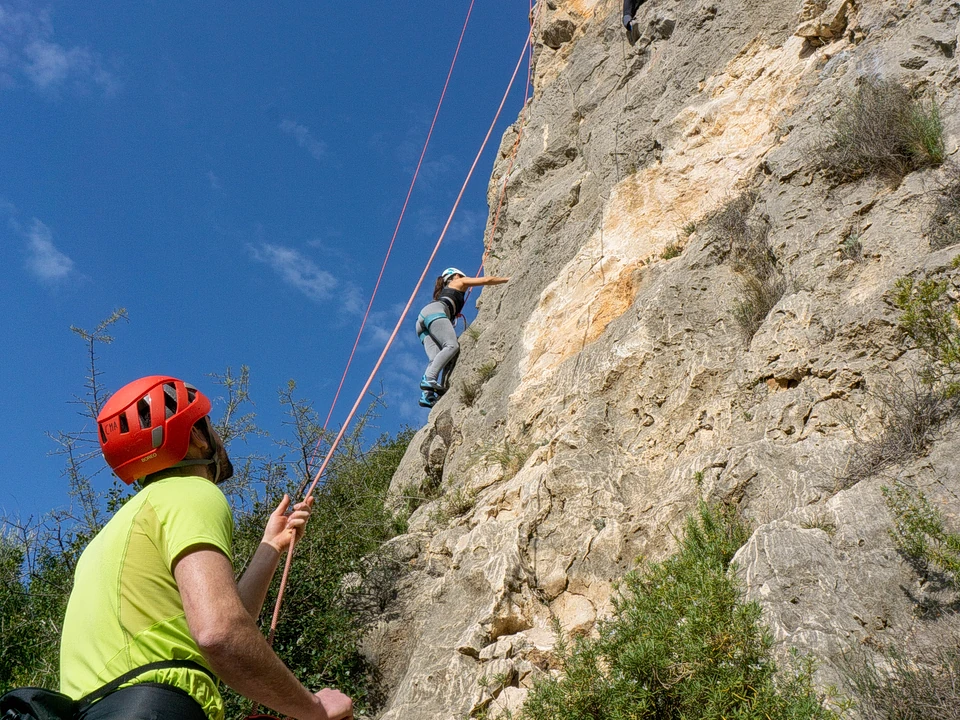
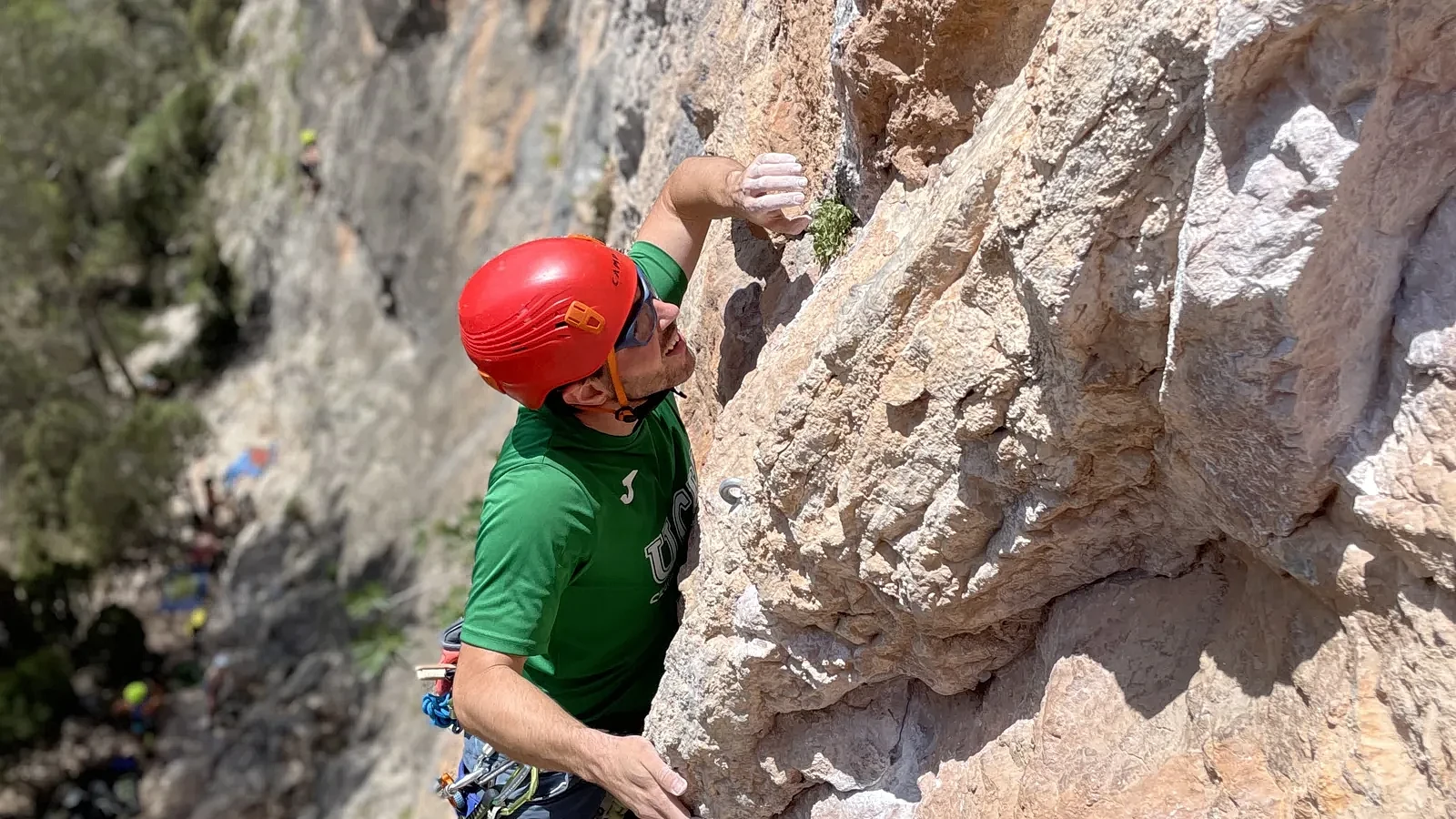
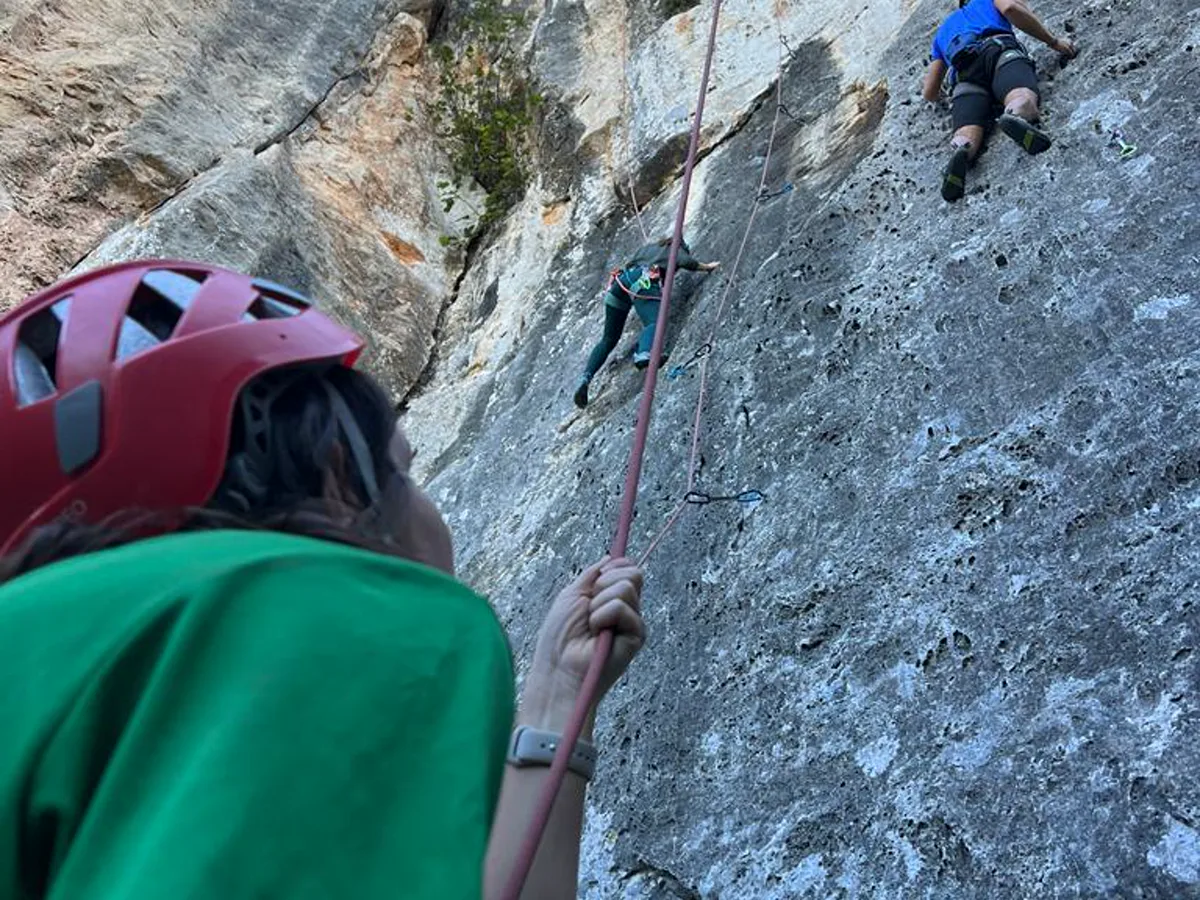
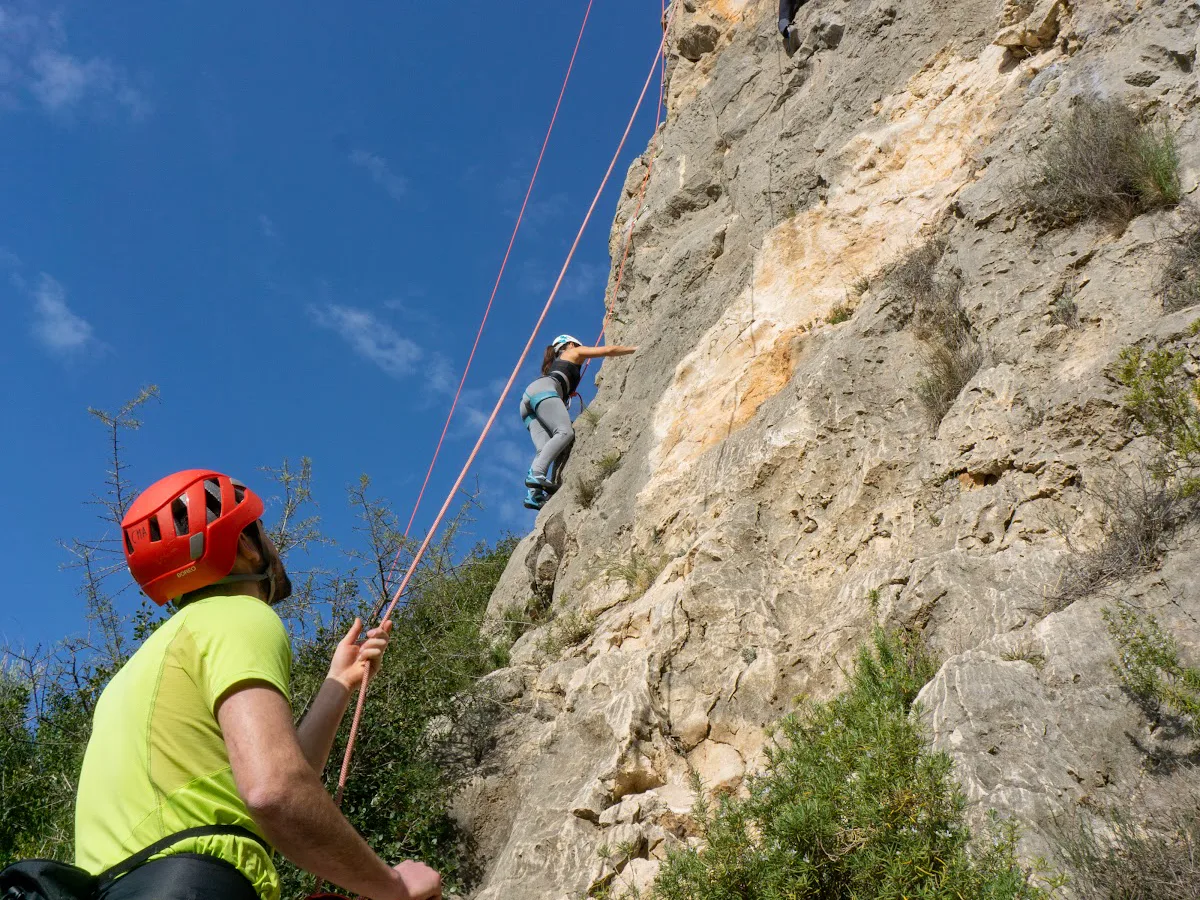
Move from top-rope climbing to leading sport routes outdoors. Leader and belayer learn together, from selecting a suitable route to clipping, rope management, dynamic catches and progressive fall practice.
We review critical errors including rope behind the leg, incorrect clipping, unsuitable slack and poor positioning below the first bolt.
Progression is adapted to the group. The scope and learning aims of fall practice are discussed beforehand, with no fixed fall distance to complete.
Course curriculum
- Clipping and rope position
- Dynamic belaying
- Progressive falls and lead decisions
Key highlights
- Lead progression
- Dynamic belaying
- Controlled falls
- Outdoor decisions
Readiness beyond climbing grade
Readiness to lead is not decided only by the difficulty climbed on top rope. You need steady attention while belaying, reliable partner checks, the ability to interpret instructions and enough movement margin to manage the rope while climbing.
Before increasing exposure, we observe how the partnership handles familiar tasks. If belaying, communication or body control still consumes all available attention, spending longer on top rope is a sound progression decision rather than a step backwards.
Scope of fall practice
Progressive fall management is one of the course objectives. Before practice, climber and belayer discuss the learning aim, their comfort and any relevant concerns; no fixed fall distance is imposed.
If you are unwilling to practise any fall, disclose this before booking so course suitability can be assessed. During the course, also mention any concern or change in your response. The purpose is to understand rope, position and belaying, not to prove courage.
When to remain on top rope
Top rope may be appropriate when movement deteriorates while managing the rope, checks are inconsistent or concern about falling makes the agreed task difficult to carry out. This format allows one skill to be developed before more variables are added.
The course teaches concepts and assesses their application during the day; it does not certify permanent competence. Later leading requires repetition with suitable partners, routes that provide margin, and willingness to return to a more protected format when confidence, environment or attention changes.
FAQ
How do I know whether my belaying is ready?
It should be attentive and consistent, with checks, device handling, position and communication already established. Those foundations are reviewed before lead tasks are added.
What if I am not ready to lead yet?
Clipping, rope management and belaying can be practised in more controlled situations, retaining top rope where needed. You can consolidate those tasks and return to lead progression later.