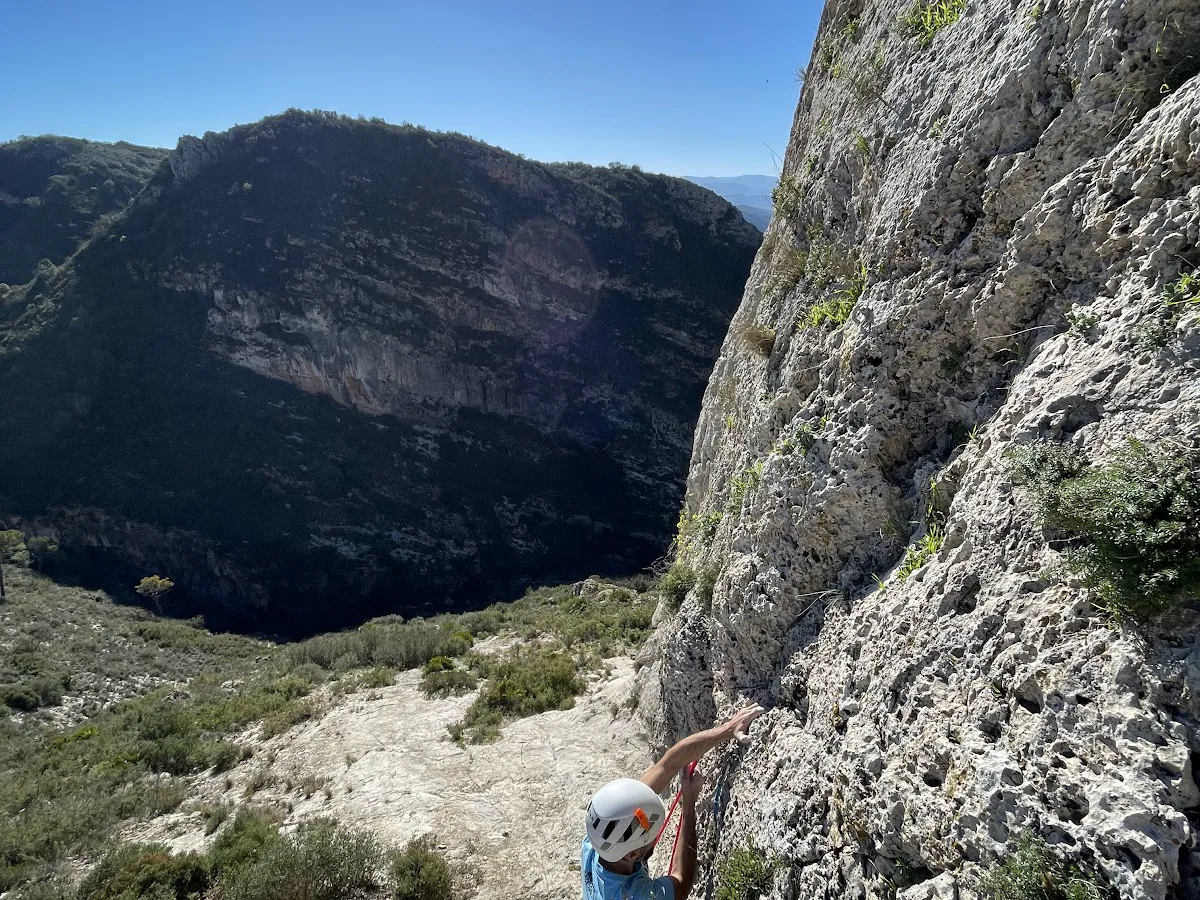
What you will do
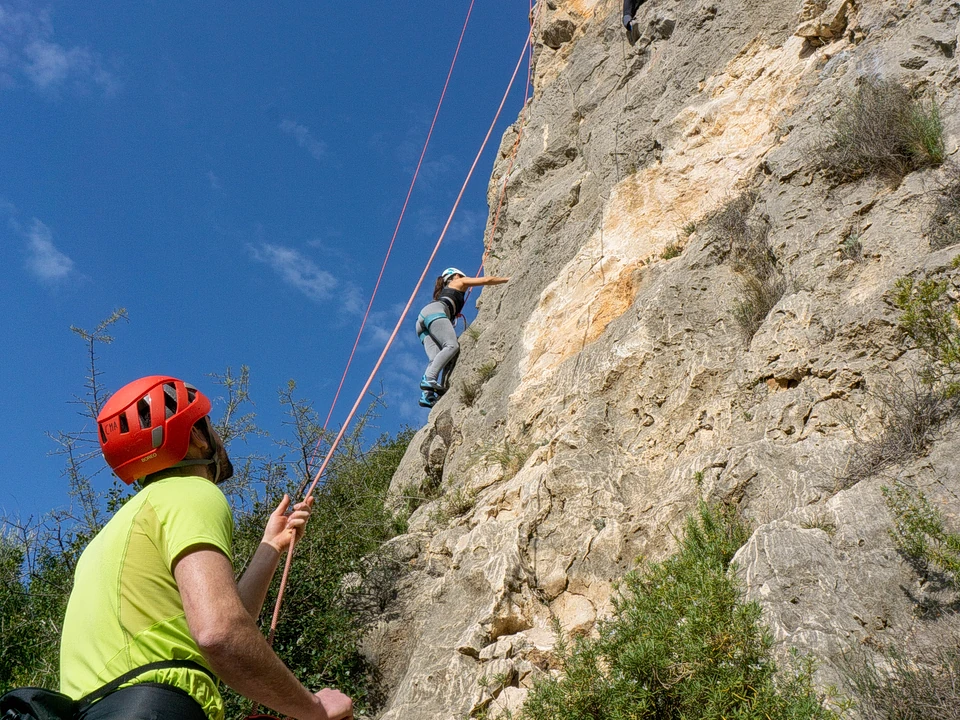
Advanced training for moving from bolted routes into protected terrain. Compare placements, load directions and rock quality before applying those decisions on a suitable route.
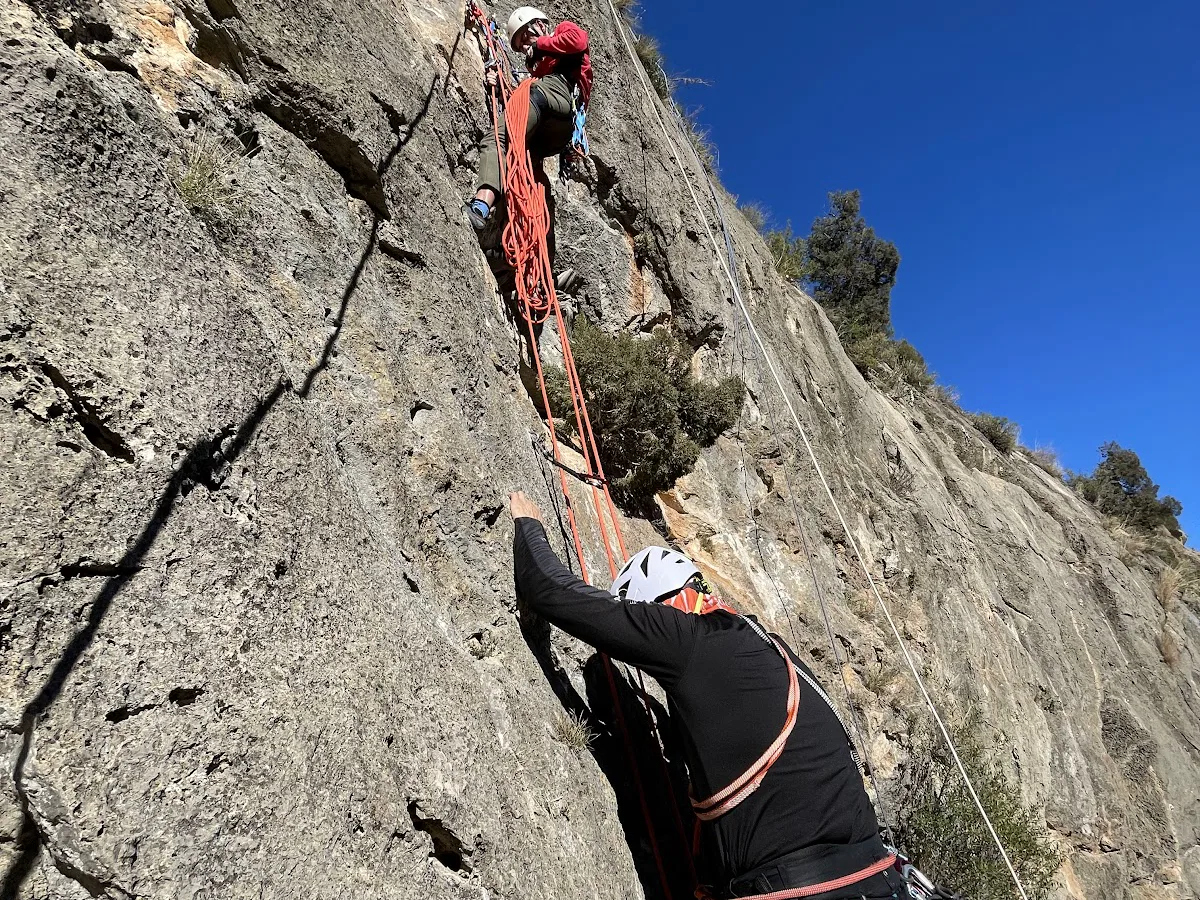
Ground practice covers cams and nuts, peer assessment, extending placements, rack organisation and rope-drag effects.
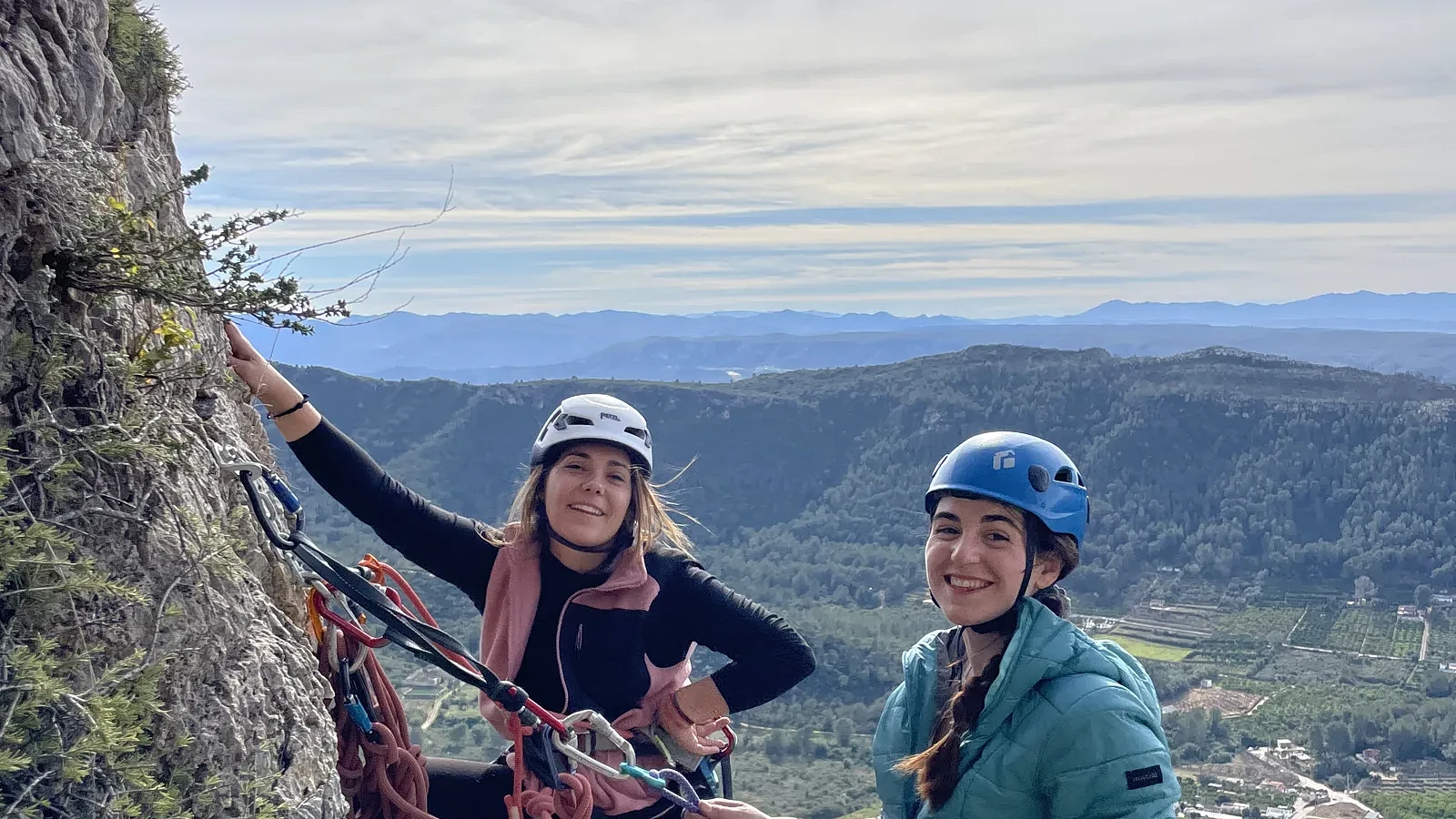
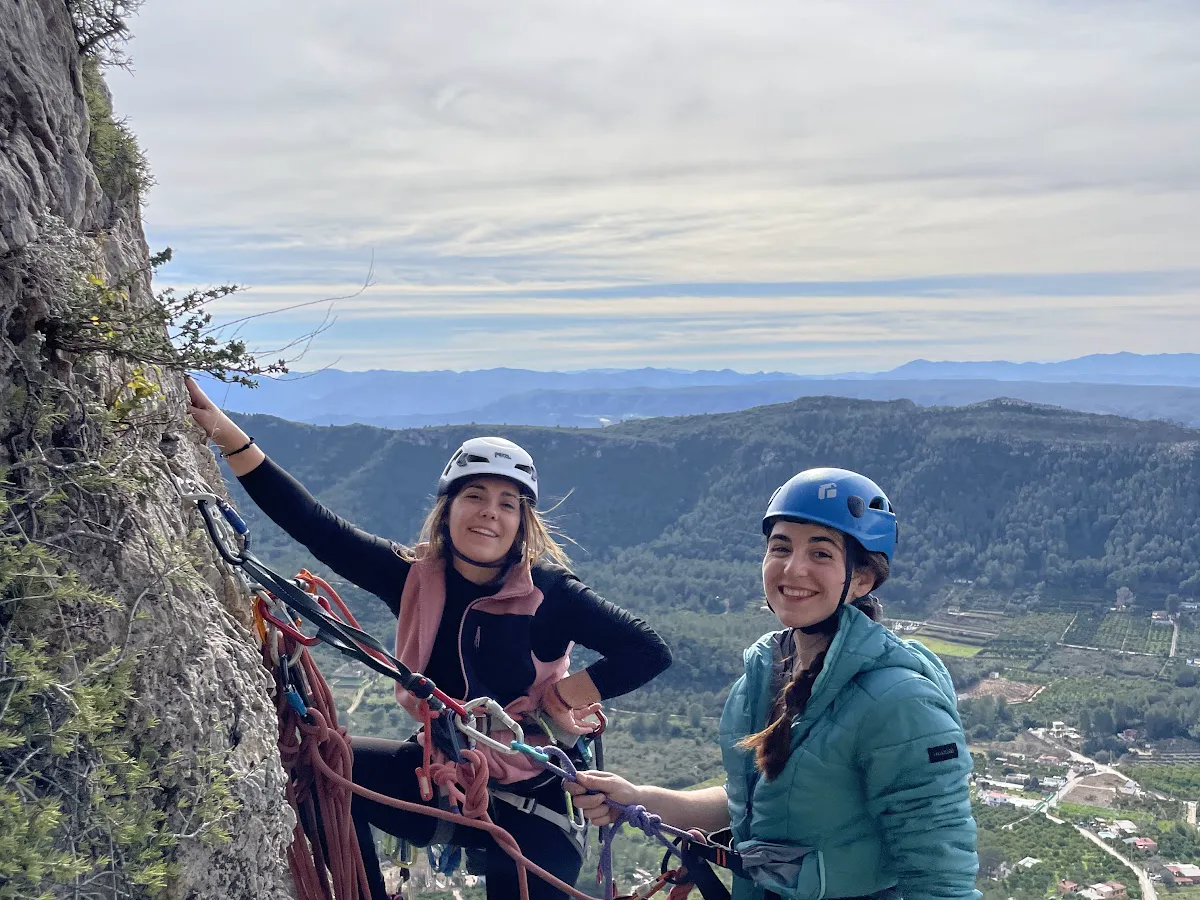
We then integrate clean anchors and risk management. The course teaches judgement; it cannot certify every placement or replace progressive experience.
Course curriculum
- Cams, nuts and placement assessment
- Extension, rope drag and organisation
- Clean anchors and risk management
Key highlights
- Cams and nuts
- Placement assessment
- Clean anchors
- Risk management
Reasoning through every placement
Placing protection does not end when a piece appears to fit. We compare contact, stability, working range and whether the whole placement can be seen clearly, then ask how rope or climber movement could alter it before any load occurs.
Ground practice allows several options to be placed in the same feature and a reason given for preferring one. Comparing assessments exposes different criteria; no piece is treated as valid merely because it survived an informal check.
Rock and direction of pull
A placement is interpreted together with the rock holding it. We observe geometry, contact and signs that require an option to be rejected, without turning one immediate impression into a guarantee about either rock or protection strength.
Likely load direction is anticipated, including how it may change as the rope travels. Extending a piece, choosing another orientation or abandoning a placement are decisions about the entire line rather than isolated equipment actions.
Why the prerequisites matter
Trad protection adds continuous assessment to the demands of leading and managing multi-pitch systems. If clipping, belaying, anchors or changeovers still require all available attention, assessing rock, placement, drag and consequences at once becomes difficult.
This is why solid sport-leading and multi-pitch experience are required. The course teaches reasoning and observes its use in specific exercises; it cannot certify every future placement. Competence develops afterwards by comparing decisions and accumulating progressive experience.
FAQ
Does the course validate every later placement?
No. Every future placement requires a fresh assessment of rock, geometry, load direction and consequences.
Why include rope and equipment organisation?
Because protection works as a system: organisation, extensions and rope path affect drag, stability and changeovers.